
An independent Australian journal · Melbourne

JournalArticlesTopic hubsAboutWrite for usContact
Journal ofContent Removal

The Australian journal of takedowns, de-indexing and digital reputation

Australian lawImage, safety and impersonationPlatform takedownsRecords and brokersSearch and archives
  1. Journal /
  2. Topic hubs /
  3. Search and archives

After the page is gone

Search and archives

De-indexing, caches, sitelinks, Knowledge Panels, AI Overviews and the Wayback Machine — the places a takedown goes to die, or to live forever.

Rows of servers in a data centre

Photograph: Victorgrigas. Licensed CC BY-SA 3.0. See all image credits.

A takedown that ignores search is half a job. This hub covers de-indexing versus deletion, Wayback and other archives, caches, sitelinks and Knowledge Panels, AI Overviews and the indexes Australians forget.

Work here after, or in parallel with, the source takedown in platform takedowns. If the only copy left is a data-broker listing, switch to records and brokers.


Guides in this hub

Rows of servers in a data centre

Search and archives

Bing, DuckDuckGo and the indexes Australians forget

Google is not the only drawer. Bing still feeds DuckDuckGo, Brave runs its own index, Yandex and leftover Apple Spotlight cards keep serving URLs that a successful Google removal never touched.

Tom Brennan · 1 July 2025 · 11 min read

An open laptop and notebook on a timber desk

Search and archives

What AI Overviews do with harmful search results

Google’s AI Overview is a summary of pages the index can still see. Chatbots add their own training set on top. Neither product unpublished the source, and a thin digital profile is how one old article becomes the whole answer.

Tom Brennan · 17 June 2025 · 11 min read

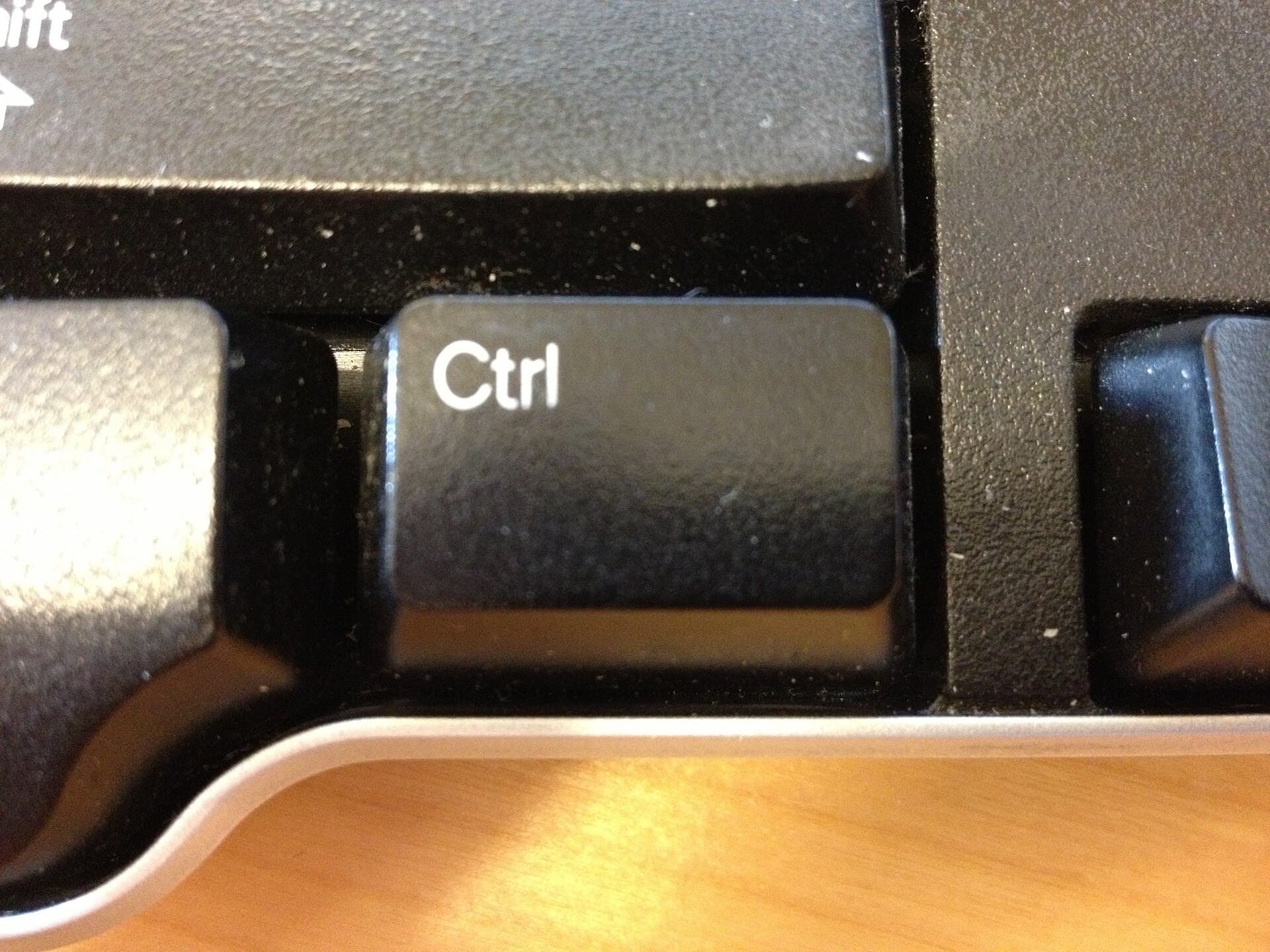
A close-up of a computer keyboard control key

Search and archives

Cached copies, sitelinks and Knowledge Panels

A successful Google removal hides a URL. It does not rebuild the rest of the results page. Caches, sitelinks, image thumbs and Knowledge Panels are leftover machinery, and they are why a “removed” search can still look like the old story.

Tom Brennan · 26 May 2025 · 11 min read

A stack of worn hardback books

Search and archives

Removing pages from the Wayback Machine and other archives

Archive.org is not Google, and a robots.txt file is not a deletion request. Australians who need a capture dropped must write to the Internet Archive as a site owner or, in a narrow set of cases, as the person in the frame — and should not confuse that job with Trove.

Tom Brennan · 27 April 2025 · 11 min read

Rows of servers in a data centre

Search and archives

De-indexing versus deletion: why Google still shows the page

Deleting a URL is not the same job as taking it out of Google. A 404, a 410, a noindex tag, a robots.txt rule and a removal form each tell the crawler a different story, and most of those stories leave the blue link standing.

Tom Brennan · 23 March 2025 · 11 min read

Frequently asked questions

If the publisher deletes the page, will Google drop it?
Eventually, if the URL returns a true 404 or 410 and the sitemap is honest. Caches, sitelinks and copies in other indexes can linger for weeks or years.
Can I remove someone else’s page from the Wayback Machine?
Almost never. Archive.org acts for the site owner or for a narrow set of personal-data and non-consensual-image requests. Read the dedicated guide before you write to them.

Content Removal

The Australian journal of takedowns, de-indexing and digital reputation

Editorial desk, Melbourne. Enquiries: support@worldwidebacklinks.com

Journal

  • Journal
  • Articles
  • Topic hubs
  • About
  • Write for us
  • Contact

Topic hubs

  • Australian law
  • Image, safety and impersonation
  • Platform takedowns
  • Records and brokers
  • Search and archives
  • All topic hubs

Standards

  • Editorial standards
  • Privacy
  • Image credits
  • Worldwide Backlinks guest posts

© 2026 Content Removal Australia. All original text is published from Australia. Photographs remain with their credited authors under the stated Creative Commons or public domain licences.